
Parliament Finally Set to Tackle India’s Biggest Exam Crisis—Major Paper Leak Bill to Be Debated Today
Parliament is set to debate the Public Examinations (Prevention of Unfair Means) Amendment Bill(Paper leak bill),2026 after days of disruption. Learn about the proposed tougher anti-paper leak law, stricter penalties, fast-track courts, and what it means for millions of students across India.
Team classicblogging
7/27/20262 min read
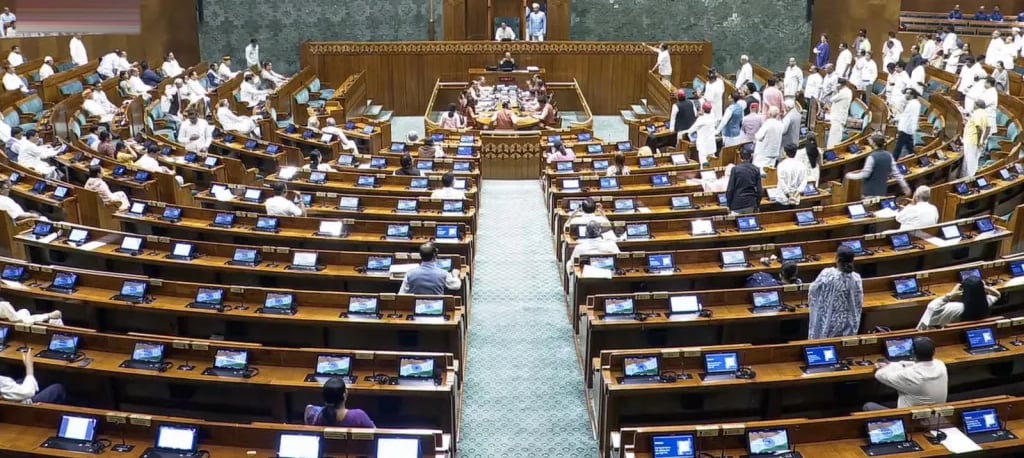
After days of protests and repeated disruptions in Parliament, the government and the Opposition have finally reached an agreement to discuss the Public Examinations (Prevention of Unfair Means) Amendment Bill, 2026 in the Lok Sabha on Tuesday. The proposed law aims to introduce stricter punishments for paper leaks and examination fraud, an issue that has affected millions of students across India.
The breakthrough comes just two days after Dharmendra Pradhan resigned as Union Education Minister following weeks of nationwide protests over the NEET-UG paper leak controversy.
Parliament Breaks the Deadlock
For nearly a week, both Houses of Parliament witnessed repeated adjournments due to protests by Opposition parties. On Monday, however, discussions led by Lok Sabha Speaker Om Birla and government floor managers helped both sides reach a consensus.
Reports suggest that around six hours have been allocated for the debate, with additional time available if needed. Opposition MPs are also expected to propose amendments before the government gives its final response.
Opposition Continues to Raise Concerns
Even after agreeing to debate the Bill, Opposition leaders continued protesting over the alleged police action against students during recent demonstrations.
Several INDIA bloc leaders, including Rahul Gandhi and Priyanka Gandhi Vadra, joined protests outside Parliament before the House began its proceedings. Inside the Lok Sabha, Opposition MPs demanded a statement from Union Home Minister Amit Shah, leading to further disruptions during the day.
Despite the protests, the government urged all parties to participate in the debate, saying the Bill is important for protecting the future of students.
What Changes Will the New Bill Bring?
The proposed amendment makes India's existing anti-paper leak law much stricter.
If passed, the Bill will:
Increase the maximum jail term from 5 years to 10 years.
Raise the maximum fine from ₹10 lakh to ₹50 lakh.
Introduce a minimum seven-year prison sentence and fines up to ₹10 crore for organised paper leak rackets.
Require investigations to be completed within two months.
Allow states to establish fast-track courts so cases can be decided more quickly.
Enable the Central Government to create a special task force for major paper leak investigations.
The government believes these measures will help prevent organised cheating and restore trust in public examinations.
Focus on Exam Reforms
The proposed legislation comes as the Centre pushes for wider education reforms following the NEET controversy.
Recently, Prime Minister Narendra Modi announced a high-level task force on examination reforms, which will be led by Infosys co-founder Nandan Nilekani. The committee is expected to recommend long-term solutions to improve transparency and strengthen India's examination system.
What Happens Next?
Tuesday's debate is expected to be one of the most important discussions of the Monsoon Session. If the Bill is passed, India could soon have one of its toughest laws against paper leaks and organised exam fraud.
With millions of students and parents closely watching the proceedings, the outcome of the debate could significantly influence the future of competitive examinations and public recruitment tests across the country.