
A Deadly Ebola infection Is Spreading Fast—Over 3,200 Infected as Health Teams Race Against Time
Ebola infection in the Democratic Republic of the Congo have surged past 3,200, with 1,405 deaths reported. Learn why the outbreak is spreading rapidly, the challenges facing health workers, and what WHO and UN teams are doing to contain the deadly virus.
Team classic blogging
7/27/20261 min read
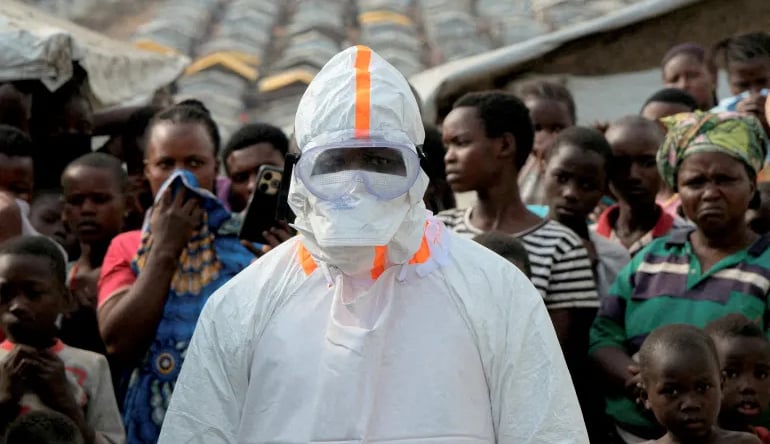
A dangerous Ebola outbreak in the Democratic Republic of the Congo (DRC) is worsening quickly, with health officials reporting more than 3,200 confirmed infections and 1,405 deaths so far.
According to the latest government figures, the number of cases has increased by nearly 1,000 in just 10 days, raising concerns that the virus is spreading faster than expected.
The outbreak was officially declared on May 15 and is being caused by the Bundibugyo strain of the Ebola virus. At present, there is no approved vaccine or specific treatment available for this strain, making it more difficult for doctors to control the disease.
The World Health Organization (WHO) says that almost 90% of all reported cases have been found in the northeastern province of Ituri, which shares borders with Uganda and South Sudan. Health officials are also worried because the virus has now spread to five provinces, including two new areas where infections were recently detected.
Medical teams and humanitarian workers are facing major challenges in reaching affected communities. Poor roads, remote locations, and limited transportation are slowing emergency response efforts.
Hedley Tah of the UN Humanitarian Air Service (UNHAS) said that getting aid workers to the hardest-hit areas remains one of the biggest obstacles. He explained that UNHAS aircraft are not only transporting doctors and emergency teams but are also carrying laboratory samples to help health experts track the spread of the virus and confirm new cases quickly.
Health authorities continue to urge people to report symptoms early and follow safety measures to reduce the spread of the disease. International organizations are working with the DRC government to strengthen the response, but officials warn that the outbreak remains a serious public health emergency.
As the number of infections continues to rise, experts fear the situation could become even more severe unless the spread of the virus is brought under control soon.